1
Know it - See it - Solve it - Add it: responding to disruptive behaviour by participant(s)
Know it - See it - Solve it - Add it: responding to disruptive behaviour by participant(s)
Teave
An holistic approach
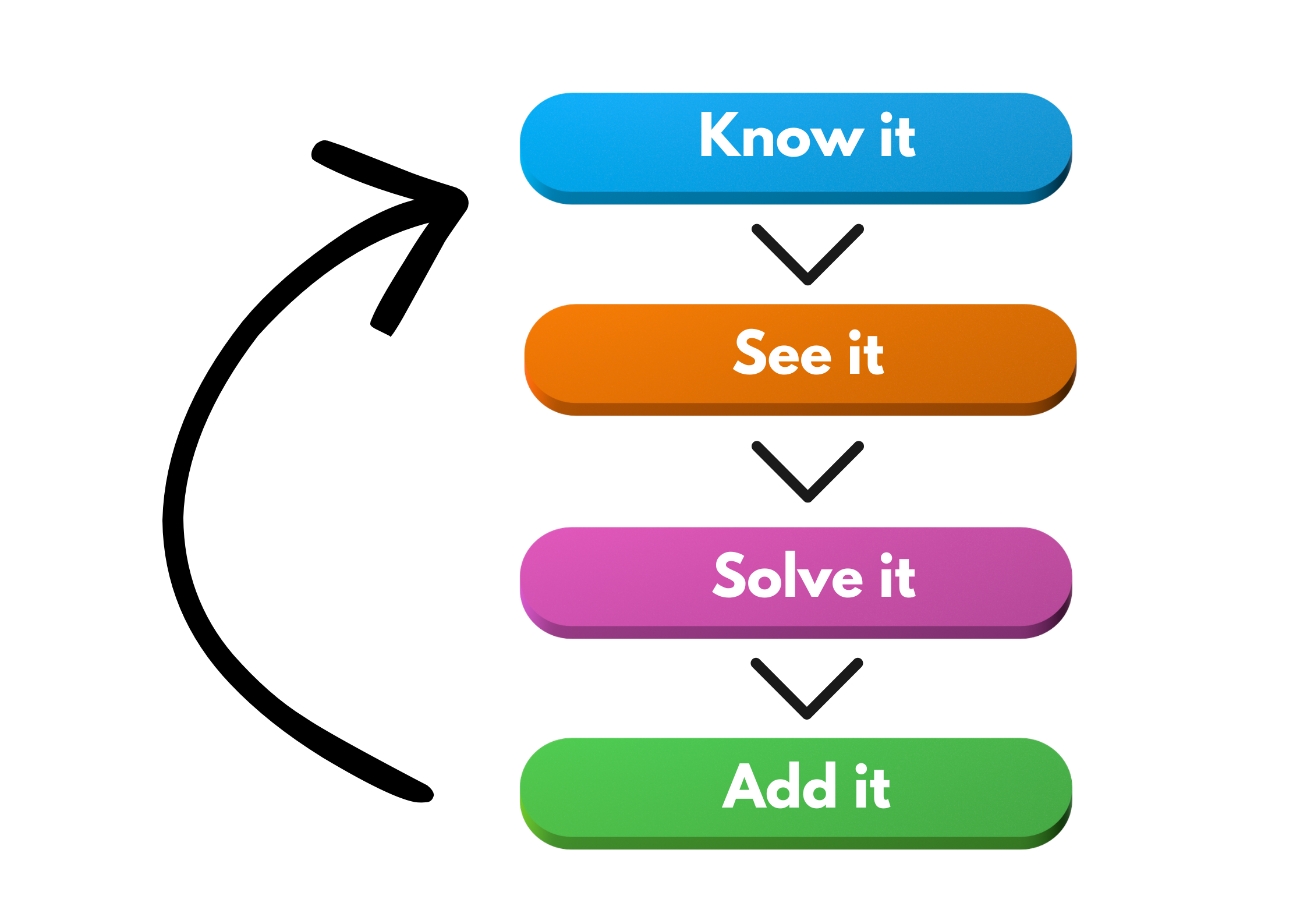
When working with a group of participants, trainers may face various kinds of behaviour. When handling disruptive behaviour, the trainers can be done through different phases:
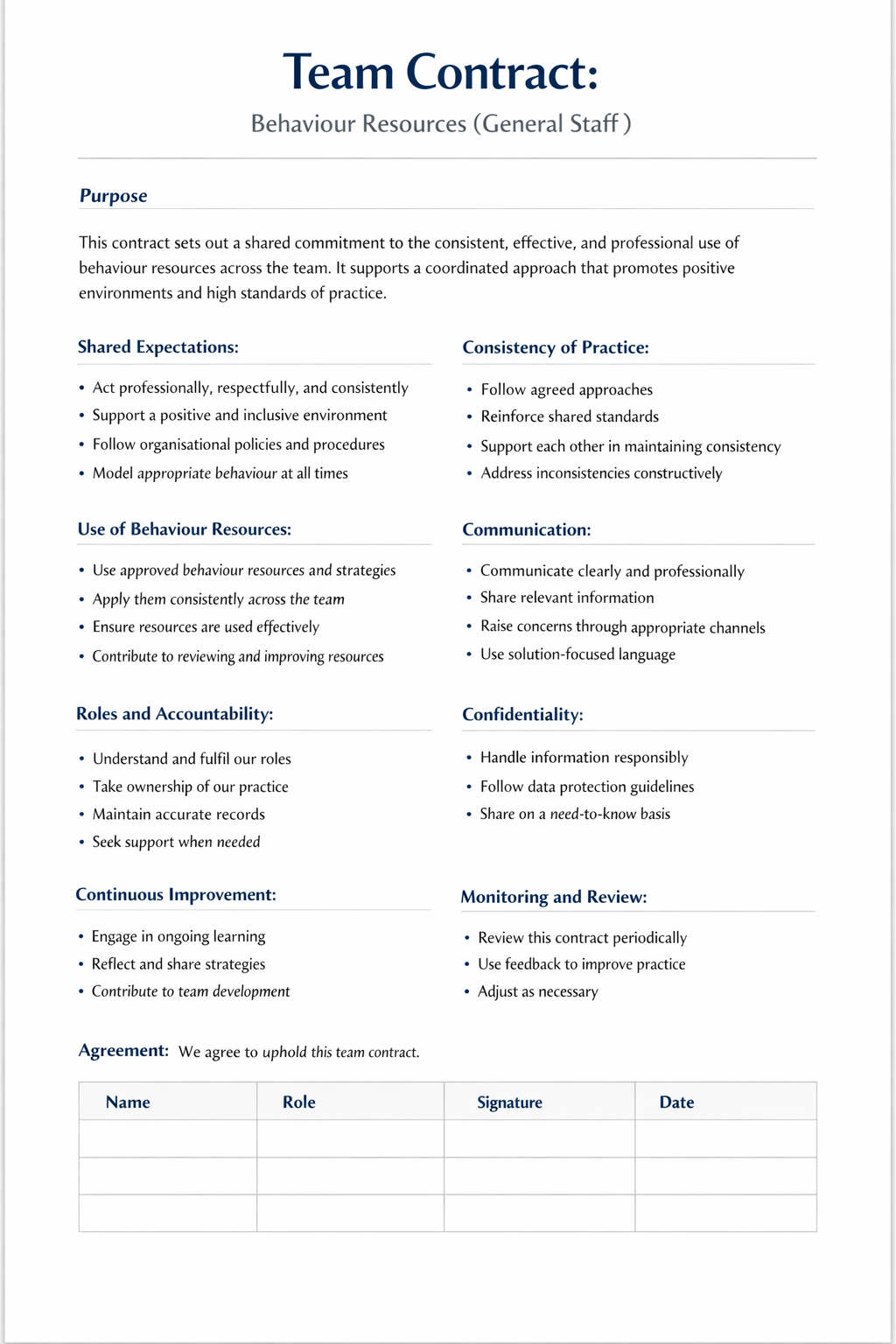
(1) Know it: co-create an agreement or contract with the group on what behaviour is accepted to reach the learning goals of the project. During a one-week training, you can co-create with the group a flip chart with elements the group agrees upon. For longer term collaborations, you can create something more formal as attached. With your team of trainers, you can reflect on the topics that should be addressed in this contract (e.g., alcohol and phone use, being on time, what is needed for respectful collaboration, etc.).
(2) See it: as a team of trainers, you can recognise certain behaviour that is disruptive and against the contract elements. You can connect it to categories of behaviour: (a) inattention, (b) hyperactivity and impulsivity, (c) oppositionality and defiance, and (d) conduct problems and antisocial behaviors including aggression (see for more Lefler and Hartung). During team meetings, specific cases can be discussed and verified if other trainers saw the same and how to approach this behaviour, who will do what, etc.
(3) Solve it: this activity will focus on this step below.
(4) Add it: based on the situation and response, the trainers can update the contract together with the participants.
The Thomas-Kilmann Conflict Mode Instrument (TKI)
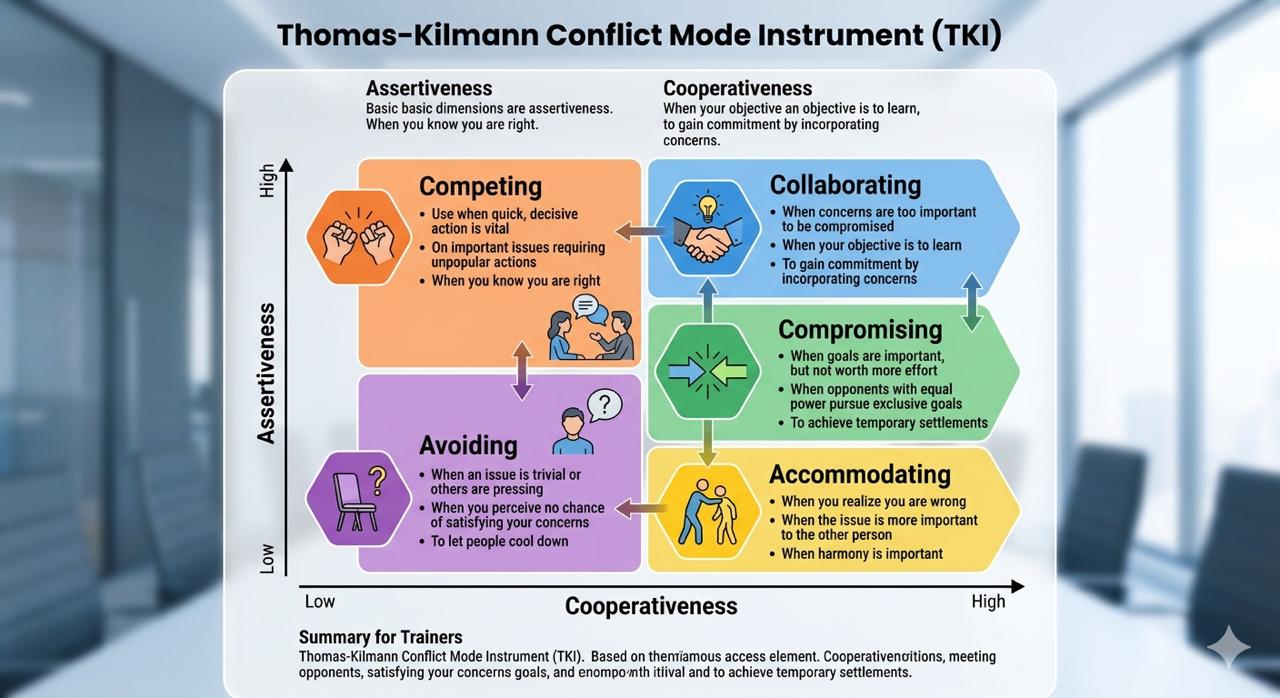
The Thomas-Kilmann Conflict Mode Instrument (TKI) is a world-leading framework designed to measure an individual's behavior in conflict situations. According to this methodology, conflict behavior is defined along two basic dimensions:
1. Assertiveness: The degree to which you try to satisfy your own concerns.
2. Cooperativeness: The degree to which you try to satisfy the other person’s concerns.
Based on these two dimensions, the TKI identifies five distinct "modes" or styles for responding to conflict. No single mode is "right" or "wrong"; rather, each is effective in specific situations.
Watch the video and infographic to understand all different conflict modes and when to use them.
Step 0. Reflect on what spoken and unspoken rules have to be in a social contract, to ensure appropriate behaviour in a team.
Step 1. Thomas Kilmann Model Self Assessment: Individually think of 2-3 situations of Disruptive behavior or conflict in your training experience. How did you respond? Where on the model quadrant would you as a trainer place your responses in these situations? Have you been collaborating, competing,compromising,accommodating or avoiding? What worked and what didn't? Do you think another Conflict Mode Instrument would have worked better?
Step 2. As a team, shortly reflect your situations and disruptions you experienced, as well as your assessment you put your response in. What conflict mode instruments do you feel comfortable with, and what needs do you have from the team in such situations?
Training of trainers course participants created this educational activity and resources to support trainers teamwork competence development. The Awero team organised the course.
This activity supports trainers’ competence development in the Cooperating successfully in teams area. Activity content and badge-issuing criteria aligned with the European Training Strategy (ETS) competence model for trainers working internationally. In particular:
- Contributing actively to team tasks
- Being willing to take on responsibility
- Encouraging and involving other team members
- Learning with and from others
- Being aware of the team processes and how they affect the team’s effectiveness
- Managing disagreements constructively

Get activity badge
Know it - See it - Solve it - Add it: responding to disruptive behaviour by participant(s) Get this badge
Managing disruptive behavior in a training environment requires a holistic, four-phase approach—Know it, See it, Solve it, and Add it—which begins with the co-creation of a group contract to set clear behavioral expectations and learning goals. When disruptions occur, trainers can categorize and address them by applying the Thomas-Kilmann Conflict Mode Instrument (TKI), a framework that navigates conflict through the dimensions of assertiveness and cooperativeness. By strategically choosing between five modes—Competing, Accommodating, Avoiding, Collaborating, or Compromising—trainers can tailor their response to the specific needs of the situation, whether it demands quick, decisive action or a long-term, win-win resolution. Mastering these transitional phases and conflict styles is essential for maintaining group harmony and is the final requirement to earn your badge.
To get this badge, trainer:
- Recalled: Think of 2–3 specific examples of disruptive behavior or conflict you have faced as a trainer.
- Analyzed: Map your reactions to these situations onto the Thomas-Kilmann Model. Which mode did you use? (Competing, Collaborating, Compromising, Avoiding, or Accommodating)
- Evaluated the outcome: what worked and what didn't?
- Reconsidered: In hindsight, would a different conflict mode have been more effective?
- Shared: Briefly present your situations and your self-assessment to the group.
- Discussed:
Which conflict modes do you personally feel most comfortable using?
What specific support or actions do you need from your teammates when these situations arise?
Ülesanded
Task no.1
Evidence verified by: one activity organiser
To get this badge:
(1) Recall: Think of 2–3 specific examples of disruptive behavior or conflict you have faced as a trainer.
(2) Analyze: Map your reactions to these situations onto the Thomas-Kilmann Model.
Which mode did you use? (Competing, Collaborating, Compromising, Avoiding, or Accommodating)
- Evaluate the outcome: What worked and what didn't?
- Reconsider: In hindsight, would a different conflict mode have been more effective?
- Upload your quadrant map/notes.
(3) Share: Briefly present your situations and your self-assessment to the group.
(4) Discuss:
Which conflict modes do you personally feel most comfortable using?
What specific support or actions do you need from your teammates when these situations arise?
Skills
ETS-TR
#Being willing to take on responsibility
ETS-TR
#Being aware of the team processes and how they affect the team’s effectiveness
ETS-TR
#Managing disagreements constructively
Organiseerijad
Awero
Badge issuer recognized with

Badgecraft käitab veebi taristut Õppimise linnade ja regioonide jaoks. Euroopa konsortsium arendab seda platvormi kaasrahastusega Euroopa Liidu programmist Erasmus+.
Vaheta keelt: